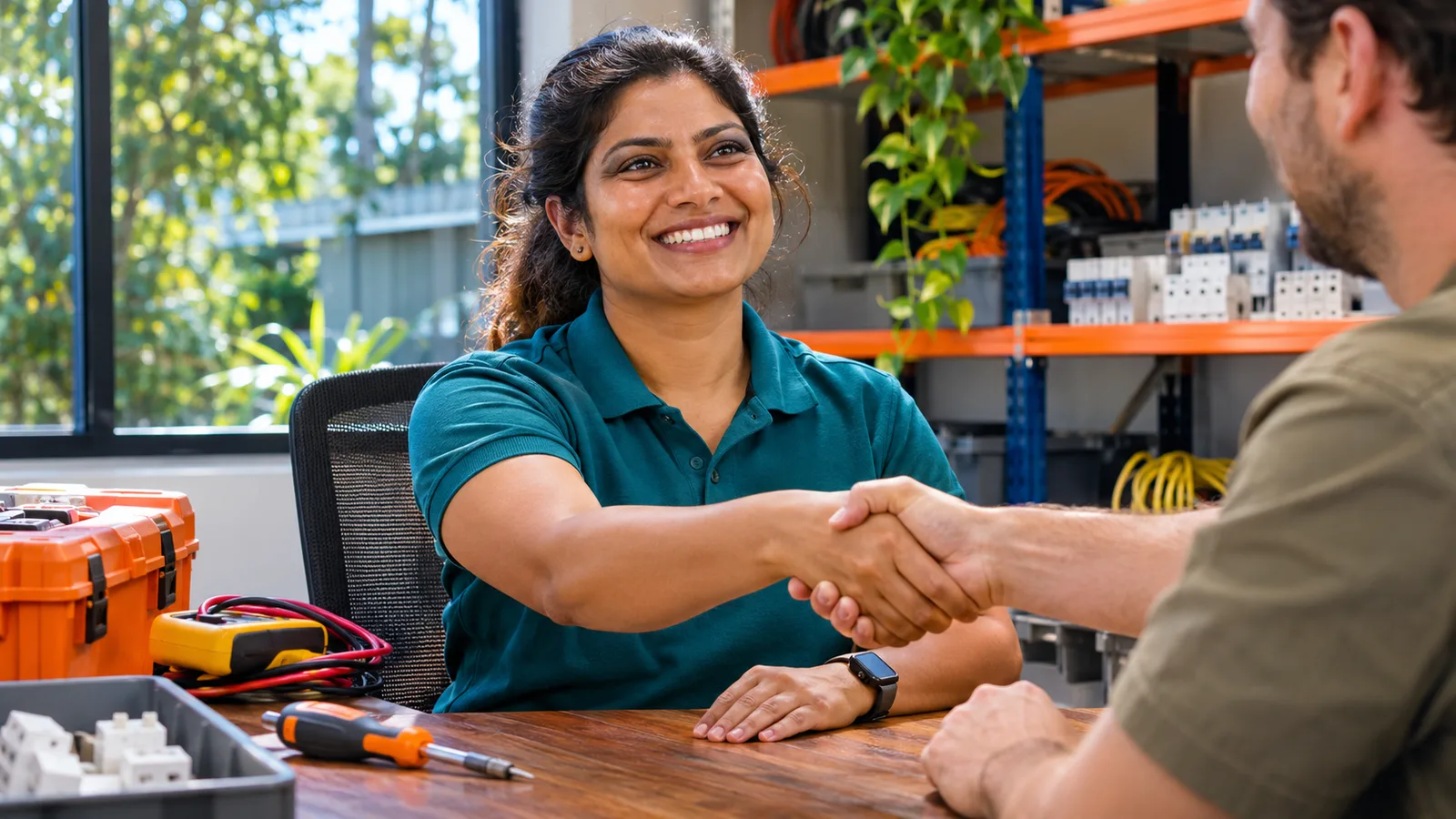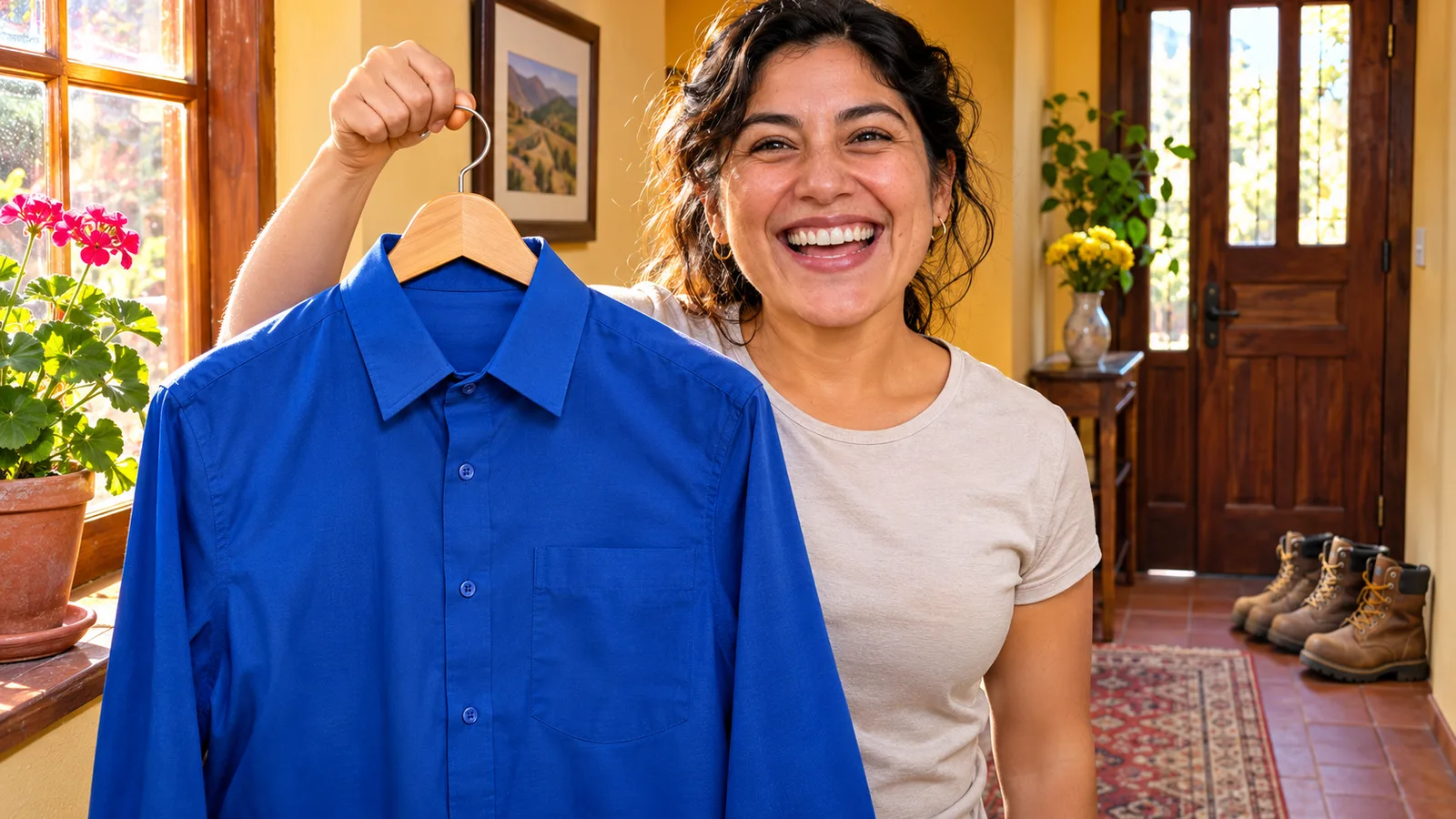
For a trade job interview, wear clean, plain, tidy clothes that you can move in: a collared or neat plain shirt, clean trousers and closed shoes or clean boots. You do not need a suit. Employers hiring tradespeople want to see that you take the job seriously, and that you look ready to be on a worksite. This guide shows what to wear for a workshop interview, a site visit and a video call, and what to pack if they ask you to show a skill.
What do official guides say about interview clothes?
The advice from government career sites is short and consistent. The Australian Government's interview guidance says to dress neatly and in a way that is appropriate for the job, and to get your outfit ready the night before. New Zealand's Tahatū Career Navigator says to plan clothes that look smart and tidy and to work out how you will get there so you arrive on time.
Notice what is missing: nobody says "buy a suit". The key words are neat, tidy and appropriate for the job. For a trade, "appropriate" means clean and practical.
What to wear for each type of trade interview
Ask the employer, if you can, what kind of interview it will be. A short, polite message such as "Will the interview be in the office or the workshop?" is normal. The answer changes what you wear.
| Type of interview | What to wear | What to leave at home |
|---|---|---|
| Office or meeting room | Ironed collared shirt, clean trousers, clean closed shoes | Torn jeans, sports shorts, thongs or sandals |
| Workshop or site visit | Clean work trousers, plain shirt, clean work boots | Muddy or oily clothes, a dirty cap |
| Video call | Plain shirt in one solid colour, tidy hair | Busy patterns, a singlet, a hat indoors |
| Trial shift or skills test | Work clothes and boots you can move in, if they asked for them | New stiff boots you have never worn |
If you are a chef, ask whether you should bring your whites for a trial shift. If you are a hairdresser or barber, a neat, simple outfit shows your own style without being loud.
A simple outfit check, step by step
Do this the night before. It takes about ten minutes and removes the stress of the morning.
- Lay out your shirt, trousers, shoes and socks. Check for missing buttons, holes and stains.
- Wash and iron anything that needs it. A creased shirt looks careless, even if it is clean.
- Clean your boots or shoes, including the laces and the soles.
- Try everything on. If it is tight when you sit or raise your arms, choose something else.
- Pack a small bag with copies of your CV, a notebook and a pen, and any tickets or certificates you have.
- Check your travel route and set two alarms.
The same guidance says it is a good idea to bring extra copies of your resume, examples of your work (if relevant) and a notebook and pen. If you are still preparing your CV, Build AI CV can help you get it ready before the day.
Clothes for a video interview
A video call is still an interview. The Your Career guide from the Australian Government says to dress appropriately even for a video interview, test your technology, sit somewhere quiet and look at the camera rather than at yourself.
Check three things before you connect: the light on your face, what is behind you, and how you look on screen. A plain wall or a tidy workbench is better than a crowded bedroom.
Do not wear only a nice top with shorts or pyjama pants. If you need to stand up to fetch something, the camera will show it. Wear full, tidy clothes so you never have to think about it.
If you are interviewing from another country, our video interview checklist for tradespeople covers the camera, sound and internet. For what to say, read the online interview tips for tradespeople. If you want to practise on camera first, SelfIntroVideo is a website for recording a short introduction of yourself.
Safety gear: what to know before a site visit
Some interviews include a walk around the site. Wearing the right safety gear is part of trade work, so expect questions about it. PPE means personal protective equipment, such as boots, gloves, glasses and hearing protection. For trades like carpenter, cabinetmaker and motor mechanic, VETASSESS lists wearing correct PPE among the topics a technical interview can cover.
Safe Work Australia says PPE is anything a worker uses or wears to keep them healthy and safe. It also says the business gives PPE to workers, and workers must use it as instructed. So do not buy expensive gear for an interview. If the employer wants you to wear something on site, they will tell you or give it to you.
Be ready to say, in plain English, which PPE you use in your trade and why. A mechanic can mention gloves, safety glasses and steel-capped boots. A welder can mention a helmet, gloves and fire-resistant clothing. Practise saying these words out loud.
What to bring if they ask you to show a skill
An interview can include a task that checks the skills you say you have. The Australian Human Rights Commission says an interview may include a task that assesses whether you have the skills required. In New Zealand, Tahatū says to find out if you need to do anything extra, such as taking tests or doing a presentation.
So ask the employer beforehand: "Do I need to bring anything, or will you give me the tools?" Then plan for the answer.
- Wear clothes you can work in without worry.
- Bring your own hand tools only if the employer asks for them.
- Bring photos or a folder of your past work, if that is relevant. Keep them clean and in order.
- Bring your licence, tickets or certificates, with copies.
Our guide to what to expect in an Australian job interview shows what a workshop owner listens for during a task like this.
Arrive on time and look calm
Clothes are only part of the first impression. The same guidance advises arriving 10 to 15 minutes early in case of delays. The Australian Human Rights Commission suggests about 20 minutes before an in-person interview. Pick one and plan your travel around it, then wait nearby until it is time to go in.
Once you arrive, stand tall, smile and shake hands if the other person offers. Our guide to body language in an interview covers where to look and what to do with your hands. Check your clothes once in a mirror or a window, and then forget them. People remember how calm you were more than what you wore.
Common mistakes with interview clothes
- Dressing too casually. Shorts, singlets and thongs say you did not prepare, even for a manual job.
- Dressing too formally for the job. A full suit in a workshop can feel out of place. Smart and plain works better.
- Wearing dirty work clothes. Show you can look after your clothes and tools. Do not arrive straight from another job without cleaning up.
- Wearing new shoes for the first time. Sore feet affect your mood and how you walk.
- Strong perfume or cologne. In a small office or on a video call, it can be too much.
- Forgetting the video background. A messy room makes a smart shirt look wasted.
Practise how you look and sound
Clothes do not answer questions, so practise the answers too. On InterviewTraining.ai you watch an interviewer ask a question on video, answer out loud and get a score from 0 to 10. It works on a phone or a laptop. The Interview Presence section is coming soon, so for now use the Mock Interview to practise a full interview in the clothes you plan to wear. You can also find your trade on the trades page and see how practice works. It is practice only and does not promise a job.
Rules and requirements can change. Check the official government website before you act.
Frequently asked questions
Do I wear my work boots to a trade interview?
Wear clean boots or plain, tidy shoes. If you know the interview includes a visit to the workshop or site, work boots are sensible, but wipe them first. Leave dirty or damaged boots at home when the interview is in an office.
Do I need to wear a suit to a trade job interview?
Usually not. Official guidance says to dress neatly and in a way that suits the job. For most trade roles, a plain collared shirt and tidy trousers show respect without looking like you are applying for an office job.
What should I wear to a video interview for a trade job?
Dress as you would for the interview in person, at least from the waist up. Official guidance says to dress appropriately even for a video interview. Choose a plain top, check your background and make sure the light falls on your face.
Should I bring my own safety gear to the interview?
Only bring it if the employer asks you to. Once you work for a business, the employer supplies PPE and you must use it as instructed. If you are unsure, ask politely before the day what you should bring.
What if I cannot afford new clothes?
You do not need new clothes. Clean, ironed and well fitting is enough. Wash and iron your best plain shirt and trousers, and get everything ready the night before so you are not rushing on the day.
Key takeaways
- Wear clean, plain, tidy clothes that suit the job. You do not need a suit.
- Ask whether the interview is in an office, a workshop or on a site, and dress for that.
- Prepare your outfit, boots and bag the night before.
- Dress fully and neatly for a video interview, and check your background.
- Know your PPE words, and bring tools only if the employer asks.
Topics
- what to wear to a trade job interview
- interview clothes for tradies
- mechanic interview
- construction interview
- video interview
- trade interview tips
- australia
- new zealand